One Man, Three Armies, Nuremberg & Rudolph Hess—Meet Varjo Jurisoo

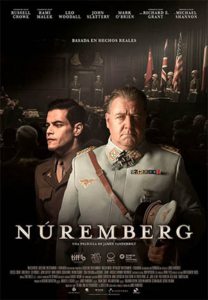 The recent release of Nuremberg the Movie starring Russell Crowe and Rami Malek was a reminder of my parents’ friend, Varjo Jurisoo. I had long been told that he served in two opposing militaries during World War II—first in the German army and later in the U.S. military. After being captured by American forces, he was eventually conscripted into the U.S. Army and assigned as both a guard and interpreter connected to the Nuremberg Trials. During that time he was tasked with overseeing the notorious Nazi war criminal Rudolph Hess and, according to Varjo, occasionally played chess with him.
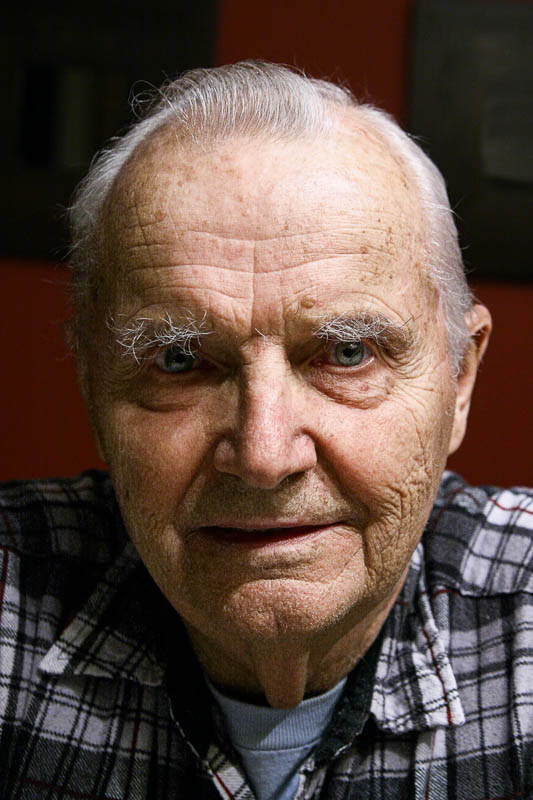
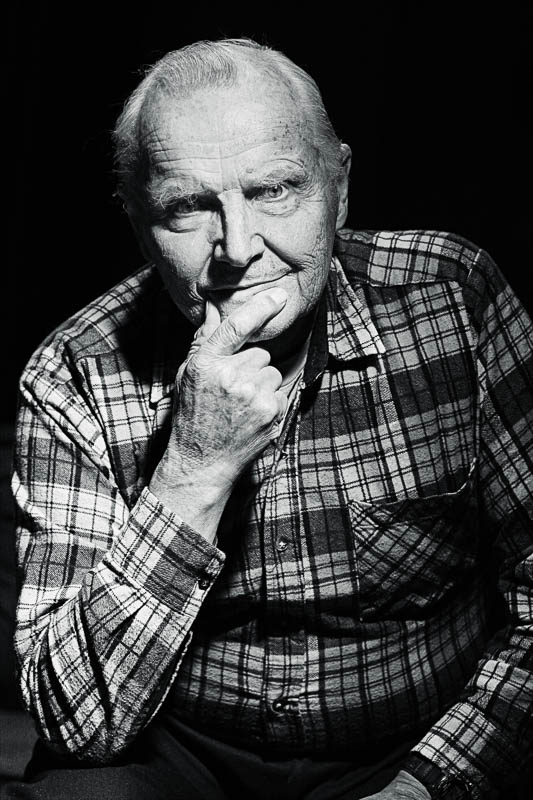
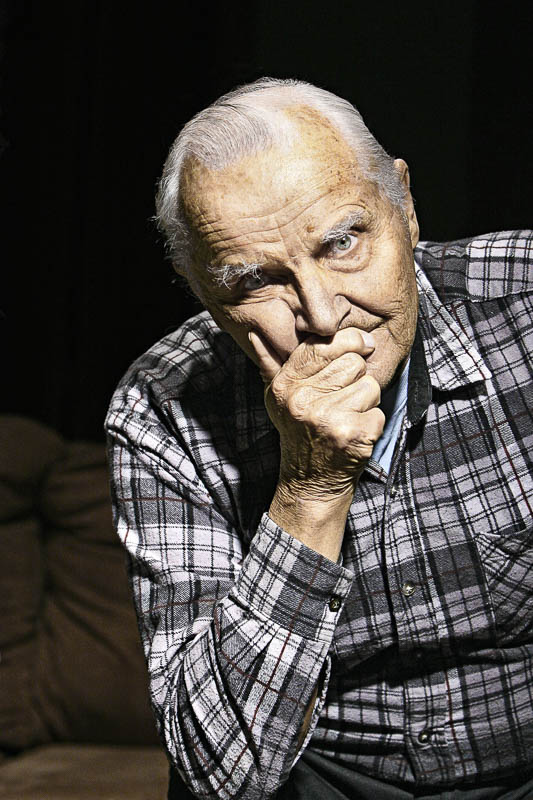
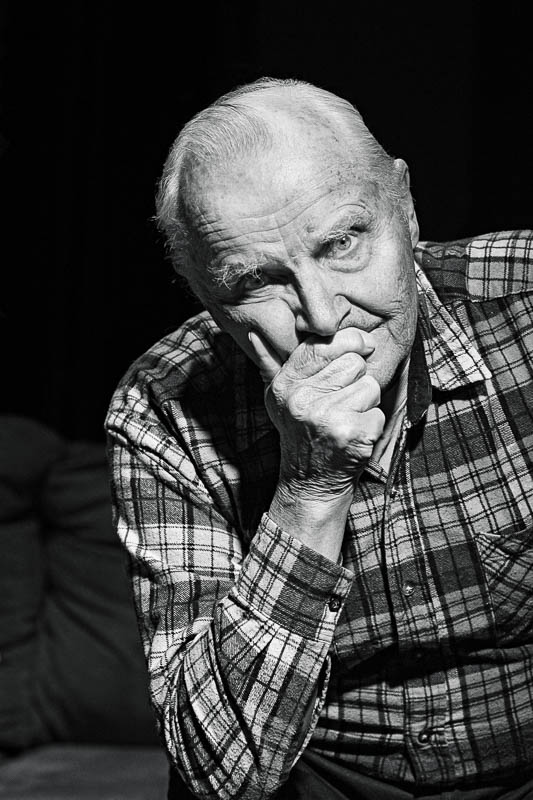
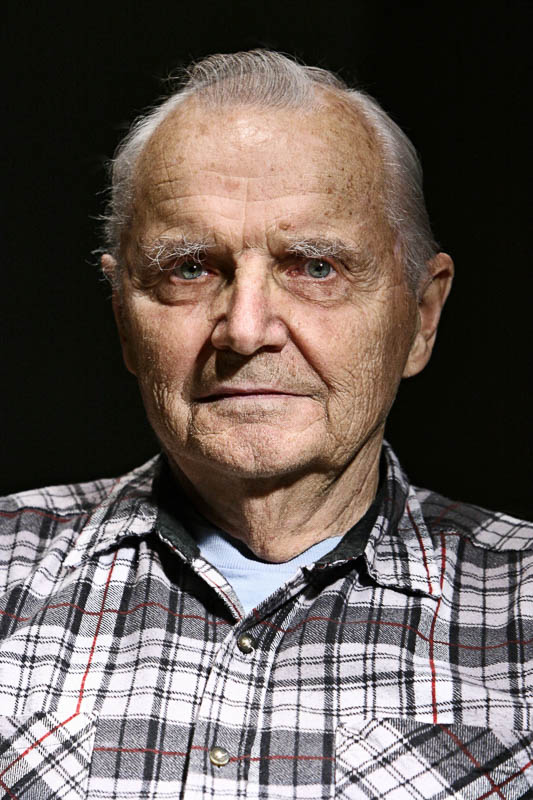
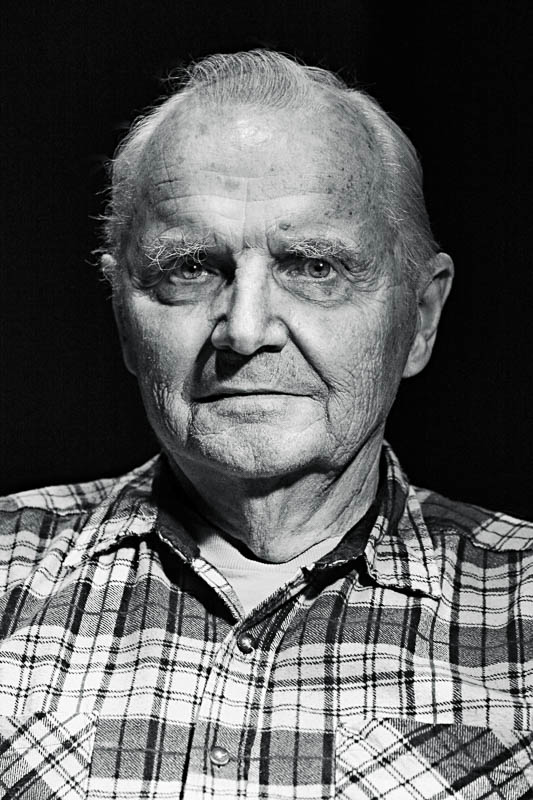
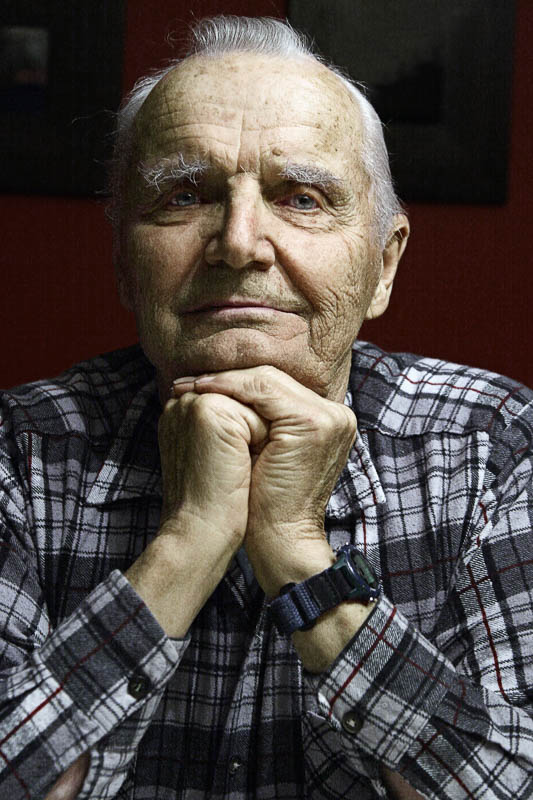
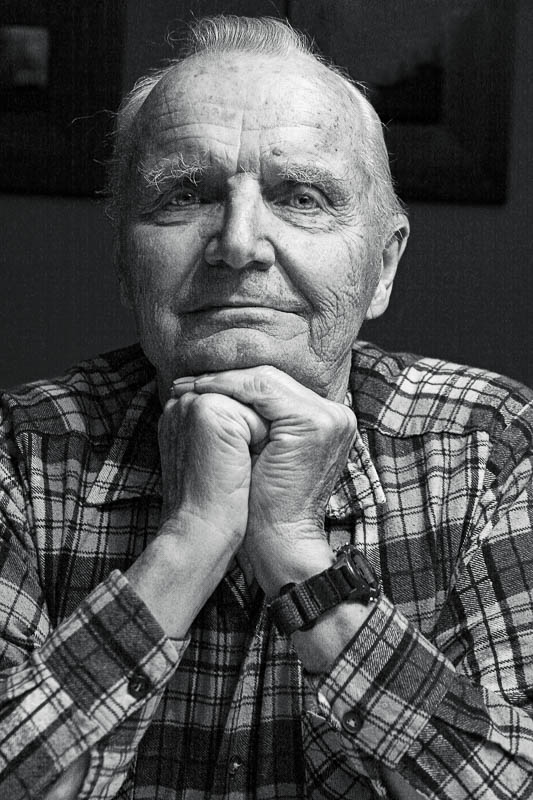
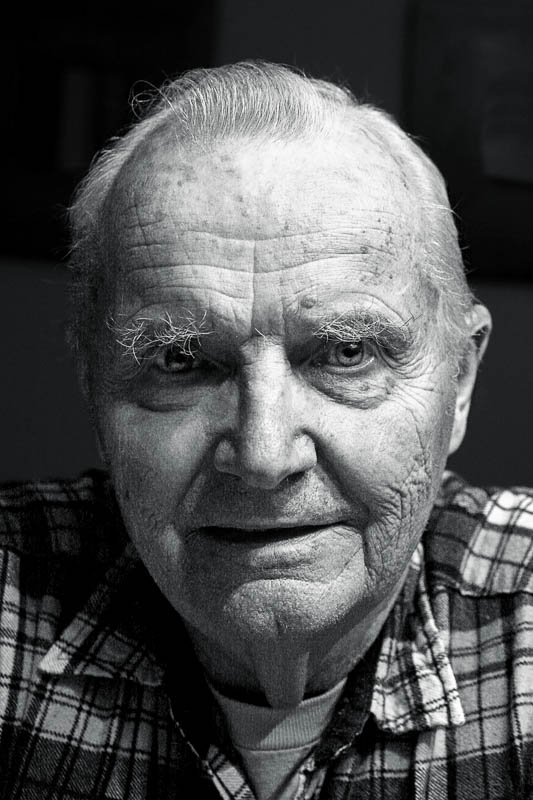
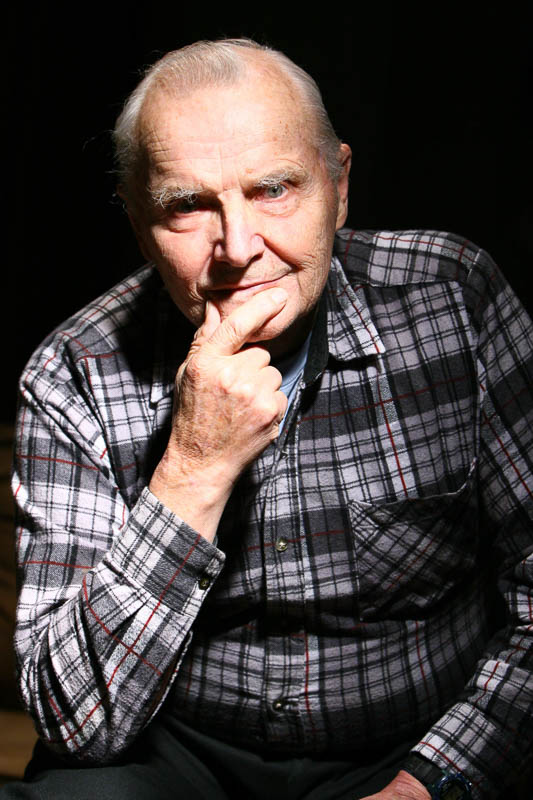
In 2008 I had a chance encounter to meet Varjo in person. I convinced him to allow me a impromptu photoshoot while we talked. With a cheap, tin painters light in one-hand, camera in the other, I clicked-away while he talked. Not an ideal, setup, but I’ve learned some of the best shots are captured when improvising. I was optimistic as Varjo proved willing. I gave him some simple direction and clicked-away as he shared some life stories.
He projected a guarded casualness. Although speaking freely, it had a clinical vibe. What I recall most though was his natural but intense stare. When he mentioned the Nuremberg Trials, and Rudolph Hess, there was no sense of ceremony, no long drawn breathe, no dramatic pauses. Just that stare.
My notes…
Varjo Jurisoo , Estonian born, conscripted into the German Army during WWII as a message runner. Shortly after the Germans surrendered to the Allied Forces, he was shipped to the U.S. where he earns his citizenship and enlists in the U.S. Army as an interpreter. He’s assigned back to Europe to aid in some capacity with the Nuremberg Trials and later served as a guard in Spandau Prison where he befriends Rudolph Hess, Hitler’s deputy in the Nazi Party whose serving a life sentence.
Varjo recalls… “I was one of only six people—guards—who Hess was ever allowed to interact with. As his crimes were against humanity, he could have no interaction with humanity. We shared conversations and occasional games of chess, I found him to be quiet, yet intense and of [a] brilliant mind.”
Varjo recalls… “I was one of only six people—guards—who Hess was ever allowed to interact with. As his crimes were against humanity, he could have no interaction with humanity. We shared conversations and occasional games of chess, I found him to be a quiet, yet intense and of brilliant mind.”
At the time I wasn’t sure what to believe. A man having served three armies. A Russian and German soldier who later wore an American uniform. Serving the US inside the most famous war tribunal in history. Chess games with one of Hitler’s deputies.
It wouldn’t be a stretch to believe the content was distilled and massaged over the decades. But, I chose to drop the analysis and simply enjoy the stories at face value. Good grief, the man was 84-years-old when we interacted.
Eighteen-years have now passed.
Back to Nuremberg, the film.
I thought, ‘let’s do a quick web search on Varjo Jurisoo,’ to possibly enrich the viewing experience. Top listed search result… ‘Incredible Secret Life of a Man Drafted Into Three Armies’ In near cinematic fashion the headline proclaimed “Incredible Secret Life…” —that tone made we wonder. Not necessarily whether the article exaggerated things, but rather there were parts of Varjo’s life he had simply chosen not to reveal.
Then the story took a very personal turn.
No sooner had I scroll past the headline—
“Hey… that’s my image.”
They had used one from our photoshoot.
It was thrilling to see my work used as part of this published work. After all, Daily Mail UK records 214 million visits per month
But there was also a business aspect of the story.
The Daily Mail had not credited the photograph.
It was likely distributed through a family member who had a copy, but regardless, my name never appeared alongside the image. I’m currently in correspondence with them to correct the oversight.
In the meantime, I’ve learned that the photographs themselves may hold historical value that I hasn’t considered. Portraits of Baltic World War II veterans are relatively rare, as are images tied to Nuremberg Trial support staff or personal documentation connected to people who interacted directly with Rudolf Hess.
If a photograph is worth more than a thousand words, I suspect Varjo had spent many years revisiting—and perhaps editing—his own memories, allowing small but meaningful details to fade.
For my part, I remain grateful for the opportunity to have met him and that he agreed, however casually, to sit for my camera.
I could see it in his eyes.
 All images are copyright protected, ©Rick Johnson, RJDesign Online